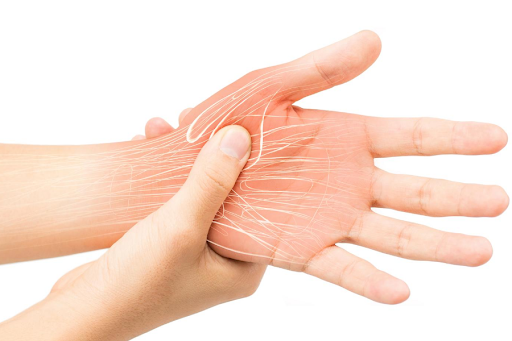
Post-Herpetic Neuralgia (PHN) is a chronic pain condition that can occur as a complication following shingles, a viral infection caused by the reactivation of the varicella-zoster virus (the same virus that causes chickenpox). PHN arises when the virus damages nerve fibers, leading to prolonged pain in the area where the shingles rash once appeared. Although shingles itself is a temporary illness, the nerve damage it leaves behind can lead to persistent pain that lasts months or even years after the rash clears. This condition is most common in older adults, particularly those over the age of 60, and with reduced immunity, and can significantly impact quality of life due to its severe, often debilitating pain.
The pain associated with PHN is described as burning, sharp, or stabbing, and is often accompanied by increased sensitivity to touch, known as allodynia, where even light contact with clothing or bedding can cause intense discomfort. In some cases, patients may also experience itching, numbness, or tingling in the affected area. The severity of PHN pain can vary greatly from person to person, with some experiencing mild discomfort and others suffering from unrelenting pain that interferes with daily activities and sleep. The likelihood of developing PHN increases with age and the severity of the initial shingles outbreak.
Treating PHN can be challenging due to its complex nature, but a variety of therapies are available to help manage symptoms.