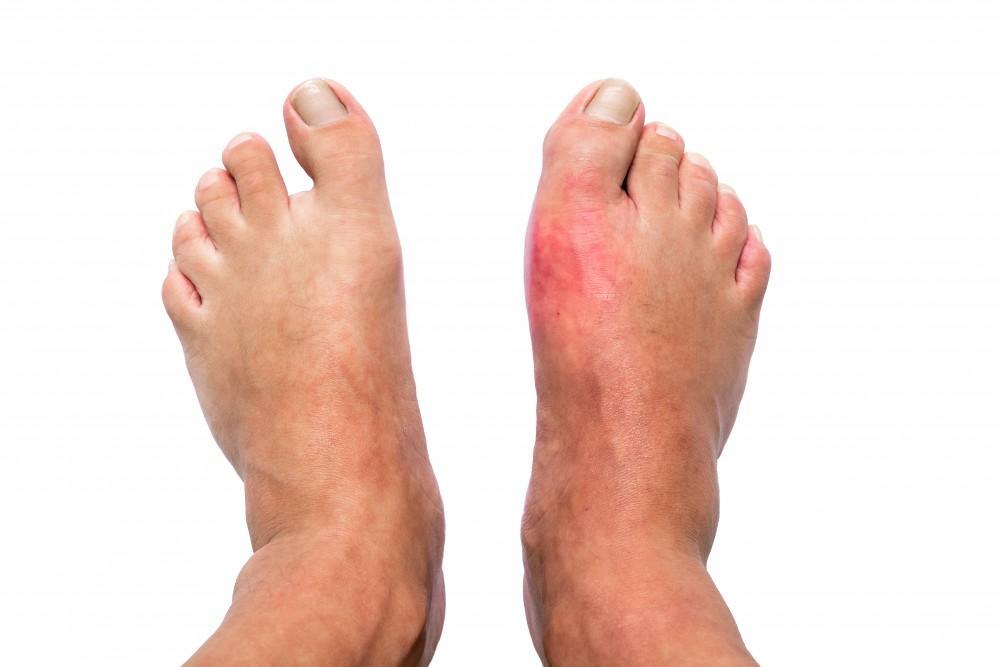
Chemotherapy-Induced Peripheral Neuropathy (CIPN) is a common side effect of certain chemotherapy drugs, affecting the peripheral nervous system, which includes the nerves outside of the brain and spinal cord. These drugs, while targeting rapidly dividing cancer cells, can also damage nerves that control sensory, motor, and autonomic functions, leading to symptoms that can significantly impact a patient’s quality of life. CIPN often affects the hands and feet, causing sensations of numbness, tingling, burning pain, or weakness, and can even lead to difficulty in performing simple tasks like walking, gripping, or balancing. Symptoms vary in intensity and may be temporary or, in some cases, persist long after chemotherapy ends. Symptoms can also be so intense that the chemotherapy needs to be stopped.
The exact mechanism behind CIPN isn’t fully understood, but it is believed to involve the toxic impact of chemotherapy drugs on nerve cells and structures, particularly in sensory nerves. The drugs most commonly associated with CIPN include platinum-based compounds, taxanes, and vinca alkaloids, all known for their neurotoxic potential. Some studies suggest that oxidative stress, inflammation, and mitochondrial dysfunction in nerve cells contribute to nerve damage in CIPN patients.
Factors such as the type and dose of chemotherapy, the patient’s age, and pre-existing health conditions can influence both the likelihood and severity of CIPN.
Our therapy is aimed at reducing oxidative stress and inflammation and the restoration of mitochondrial function. This treats the cause of the CIPN and not just aimed at simply reducing the pain.
Treating CIPN can be challenging, as there is no one-size-fits-all approach, and treatment must be tailored to each patient’s needs. The primary goal is often to manage symptoms and improve functional ability.