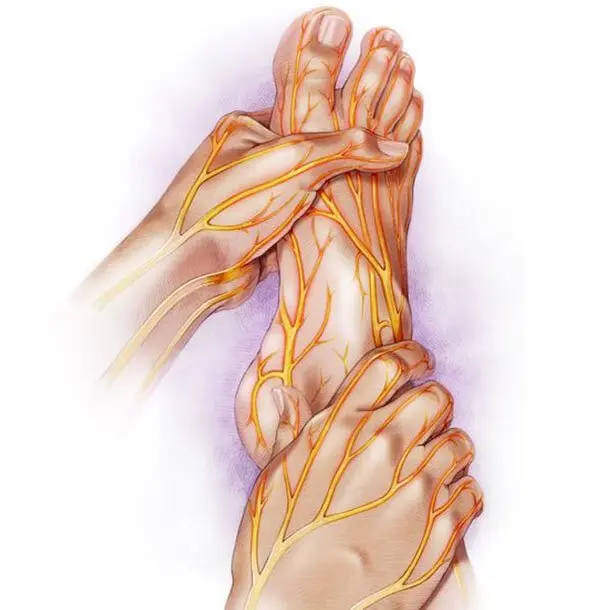
Painful Diabetic Peripheral Neuropathy (PDPN) is a complication of diabetes that affects the peripheral nerves, primarily in the feet and hands, resulting in pain, tingling, numbness, or burning sensations. It occurs due to long-term high blood sugar levels, which can damage nerve fibers, leading to altered sensory signals and chronic pain. This condition is particularly prevalent among individuals with poorly controlled diabetes, although it can affect those with both type 1 and type 2 diabetes. The pain from PDPN can be intense and is often described as a burning or stabbing sensation that worsens at night, affecting sleep and overall quality of life.
The mechanisms that cause PDPN involve a combination of metabolic and vascular factors. Chronic hyperglycemia, or elevated blood sugar, leads to biochemical changes within nerve cells, ( formation of AGE’s -Advanced Glycation End Products) and increased oxidative stress and inflammation, which damage nerves over time – mostly mitochondrial damage. Additionally, poor blood flow to nerve tissues due to diabetes-related vascular problems exacerbates nerve damage. Genetic predisposition and the duration of diabetes are also significant risk factors; those who have had diabetes for a longer time and with more severe cases are at a higher risk for PDPN. Managing PDPN focuses on symptom relief and preventing further nerve damage. Strict blood sugar control is essential, as keeping glucose levels within a target range can slow the progression of neuropathy. The control of your blood sugar remains the domain and responsibilty of your diabetes doctor, the neuropathy clinic does NOT treat your blood sugar ONLY the neuropathy and pain.